By Anne
How to use the club dehydrator and other easy group recipes
Having been a WTMC member for longer than I’m now willing to admit, I’ve noticed a growing trend on club trips: BYO solo meals instead of shared group dinners. A slippery slope!
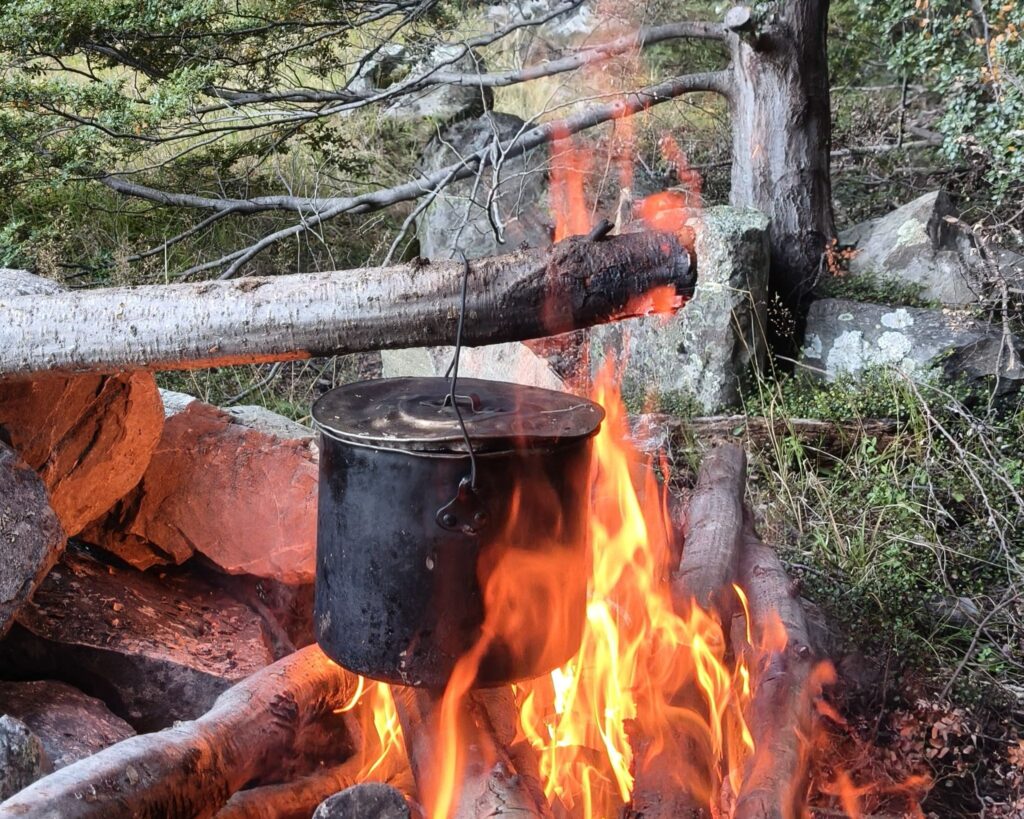
Isn’t eating one of the best parts of tramping? Maybe it’s a European thing, but sharing food feels like an important part of the day — especially in the hills. Everyone pitches in, whether it’s chopping vegetables, cooking rice, or washing the billy. It’s a great way to strengthen group cohesion and reflects what the club is about – people.
Group meals also have plenty of practical benefits. They reduce the need for individual billies, stoves, and gas canisters, saving weight across the group. They ensure everyone gets a nutritious dinner before the next day’s walk, even if they’re new to tramping or cooking. And when a large WTMC party arrives at a hut, one shared meal creates far less faff — both for the group and for other hut users.
The WTMC Cookbook already offers a huge range of delicious recipes, catering for different group sizes and dietary requirements, which makes organising meals surprisingly easy.
It’s true though that some club recipes can feel a bit ambitious: lots of ingredients, fresh but heavy vegetables, or a few too many steps after a long day in the hills. While these might be well suited to good weather days and easier weekends, they might feel a bit over the top for longer or more adventurous trips, but I would argue this shouldn’t stop us from enjoying shared dinners.
Many recipes can be adapted to make them light and easy to prepare — for example, by swapping fresh vegetables for dehydrated peas, dried mushrooms, or sundried tomatoes.
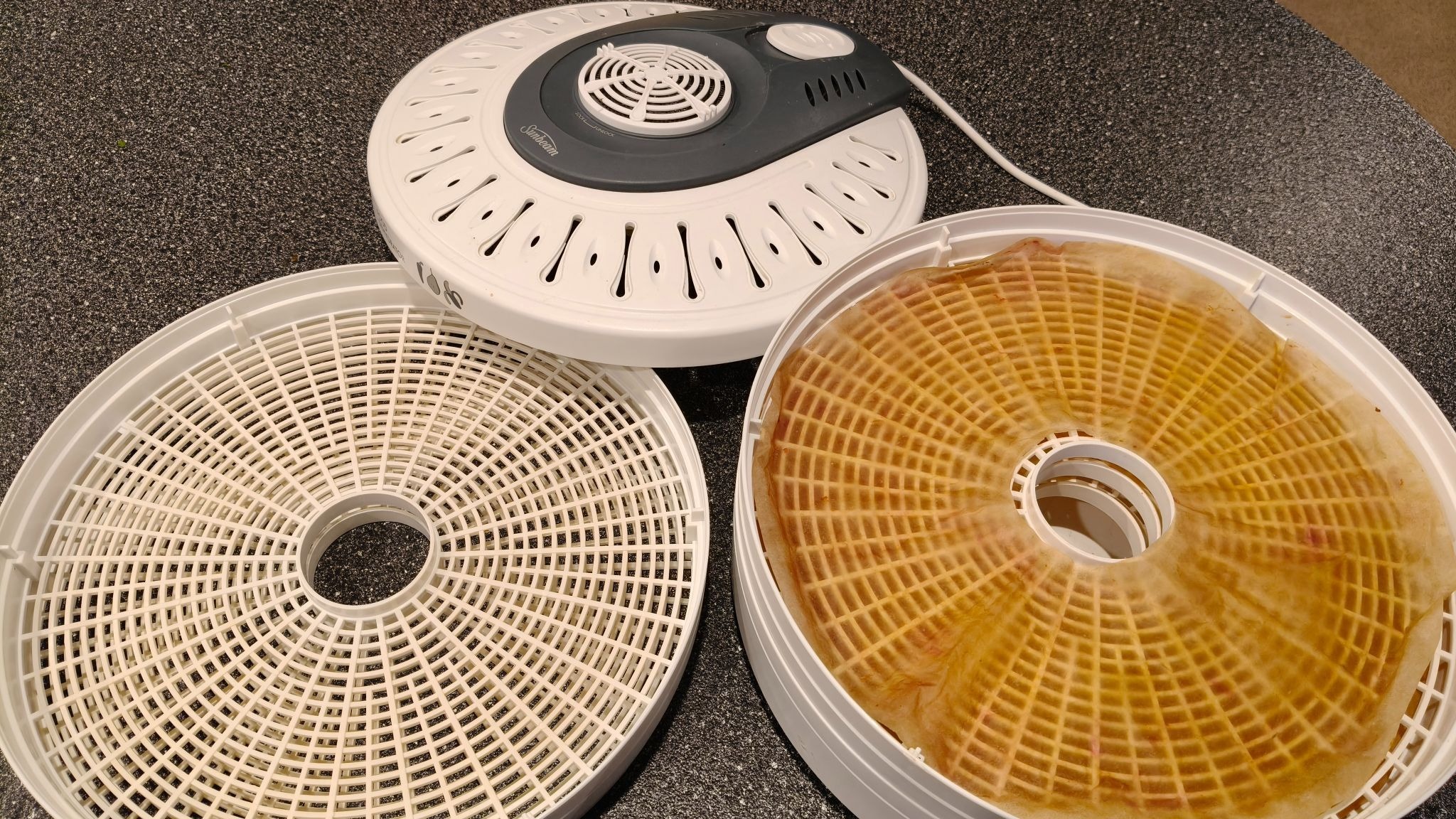
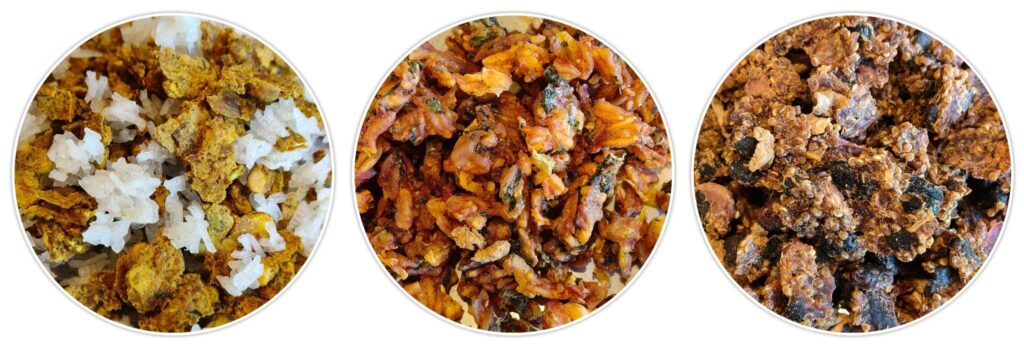
Dehydrating your own meals also opens the door to almost unlimited dinner options. Borrowing the Club’s dehydrator is a great way to experiment and see how easy it actually is. Homemade dehymeals are often cheaper and tastier than store bought options, and allow you to try endless combinations of dehydrated meals and ingredients.
With that in mind – and a big thank you to members who contributed to the WTMC Cookbook over the years or donated a dehydrator to the Club – here are a few tips for using a dehydrator, plus some quick, easy, lightweight group meal ideas.
Using the Club Dehydrator
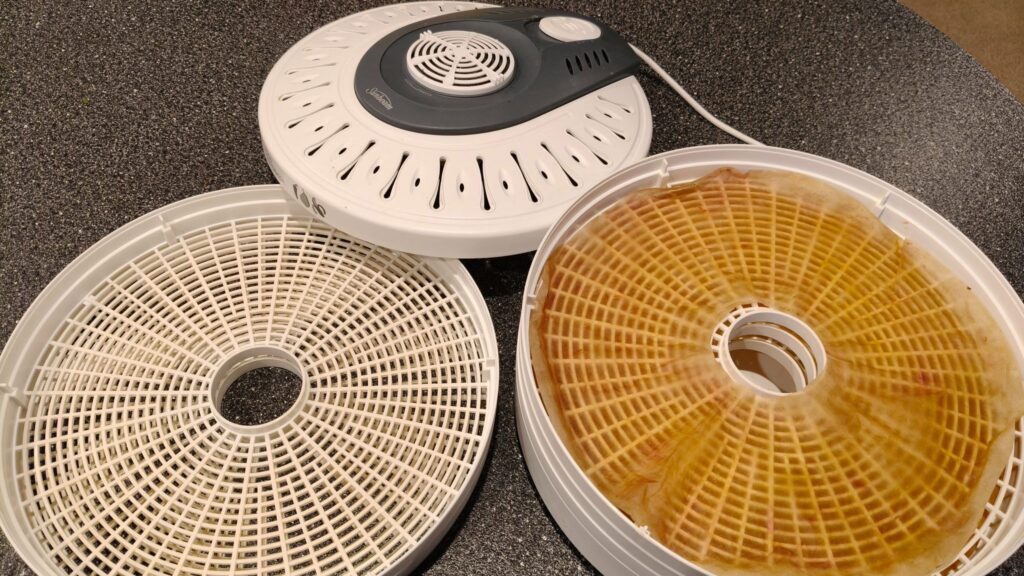
A 5-tray dehydrator is available to borrow from the Club. To check availability and book it, email [email protected]. Pick up is available during gear pick up (6.30-7.00pm on Wednesday evenings).
How it works
At home
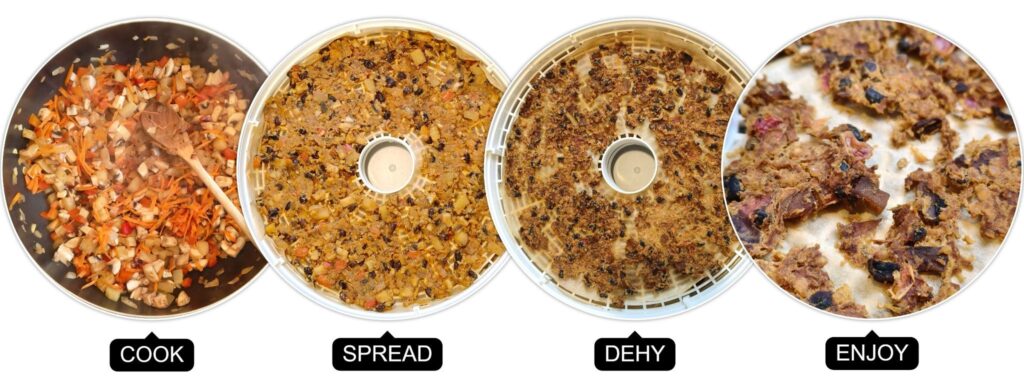
- Cook your meal — almost anything will work (see tips below).
- Optional: line the trays with baking paper for easier cleaning.
- Spread the food evenly and thinly across the trays. A 5-tray dehydrator usually holds about four servings.
- Stack the trays, put the lid on, and place the dehydrator somewhere well ventilated where the fan noise won’t matter (for example, a laundry or garage shelf).
- Set it to low (I) or medium (II) heat. The food is done when it feels hard or crunchy; anything still soft will retain moisture.
- Most meals take around 10–12 hours, sometimes longer.
In the hills
To rehydrate:
- Put the dehydrated meal in the billy.
- Cover fully with water, plus an extra 1–2 cm.
- Bring to the boil, then turn off the stove.
- Cover and leave to sit for about 20 minutes.
General Tips
The Club has a Sunbeam food dehydrator. The User Guide for this model is available here.
- Cut vegetables into small, evenly sized pieces (around 0.5 cm cubes) so they dehydrate and rehydrate consistently.
- Use small pasta shapes such as orzo or elbow macaroni.
- Start with low-fat vegetarian recipes. They store better, are safer, and are less likely to go rancid over time.
- Bring cheese or oil separately rather than dehydrating them.
- For extra protein, add store-bought TVP or dehydrated chicken (from Backcountry Cuisine) after dehydrating the meal.
- Up the spices, tomato paste, or stock compared to a normal recipe — dehydration tends to mute flavours. Bring salt on the trip.
- Cook off excess liquid before dehydrating by using less stock or simmering longer.
- Use baking paper for wetter meals and easier clean-up.
- Swap tray positions halfway through dehydrating, as lower trays tend to dry faster.
- Some ingredients work best added afterwards, such as potato flakes or coconut cream powder.
- Store meals in zip-lock bags in a dry cupboard for up to 4–12 months.
- Meals containing meat or higher fat content are best stored in the freezer until use.
- As a rough guide, 165 g of dehydrated food equals one serving.
- If a meal feels a bit light, bulk it out with couscous, potato flakes, milk powder or TVP.
Ideas for Dehydrated Meals
If you haven’t spotted it already, the WTMC Cookbook has a whole section dedicated to dehydrated recipes! But more generally, most meals will work. Some good options include:
- Dahl or curry with rice or quinoa
- Vegetarian chilli with beans, peas, corn, kumara or potatoes
- Small pasta with tomato sauce and vegetables
- Risotto
- Nachos (pack corn chips and toppings separately)
It’s also worth thinking about carbs that don’t need dehydrating at all. Instant mashed potato and couscous are lightweight, quick to prepare, and combine well with dehydrated vegetables or sauces.
Lunch options (for cold soaking) can include dehydrated hummus (homemade or store bought), refried beans (add in tomato paste and spice mix before dehydrating for extra flavour) or even tuna flakes.
Personal favourites
- Vegetarian Shepherd’s Pie (WTMC Cookbook p16)
- Satay Noodles (WTMC Cookbook p121)
- Pasta alla Puttanesca (swap spaghetti for smaller pasta shapes)
- Vegan mung bean and spinach dahl
- Slow-cooked chocolate chilli (For a vegetarian version, skip the mince and add TVP after dehydrating. You can also skip cooking rice and add quinoa (60-75g pp) directly to the pot about 2 hrs before the end of cooking.)
Quick & Light Group Recipes (not dehy)
(adapted from the WTMC Cookbook)
One-Pot Lemon Pasta
Ingredients
- 100 g pasta per person
- Tomato paste
- Baby spinach
- 1–2 lemons
- Grated cheese
Method
Put the pasta and tomato paste in the billy and add enough water to cover, plus an extra 1–2 cm. Bring to a simmer and cook for 10–15 minutes, stirring regularly, until the pasta is cooked. Add more water if needed.
Remove from the stove, add spinach and lemon juice, then cover for a few minutes. Serve with grated cheese. No draining required — the pasta should absorb the water.
One-Pot Mushroom Risotto
Ingredients
- 100 g Diamond rice risotto per person
- Dehydrated peas
- Dried mushrooms
- Milk powder
- Vegetable or chicken stock
- Grated cheese
Method
When making hot drinks at the hut, reserve some hot water and soak the peas and mushrooms for at least 15 minutes.
Top up the water so you have roughly 1.5–2 parts water to 1 part rice. Bring to the boil, then add the rice, stock, and flavour sachets. Simmer, stirring regularly, until cooked.
Add milk powder near the end and serve with cheese.
One-Pot Moroccan Couscous
Ingredients
- 80–100 g couscous per person
- Moroccan spice mix
(or ginger, cinnamon, coriander, and cumin) - Vegetable or chicken stock
- Dehydrated peas
- Sundried tomatoes
- Feta
- Optional: cashews, salami, or chorizo
Method
Soak the peas in reserved hot water for about 15 minutes.
Add spices and stock, then top up with equal parts water to couscous. Bring to the boil, remove from the heat, stir in couscous, cover, and leave until fluffy.
Serve with feta and optional toppings.
One-Pot Satay Noodles
Ingredients
- 100 g rice noodles per person
- Peanut butter
- Soy sauce
- Dehydrated peas, mushrooms, or sundried tomatoes
- Optional: salted peanuts
Method
At home, mix peanut butter and soy sauce together in a small container.
At the hut, soak vegetables in hot water for about 15 minutes, then drain.
Cook noodles according to packet instructions and drain. Stir through the satay sauce and vegetables. Top with crushed peanuts if using.